
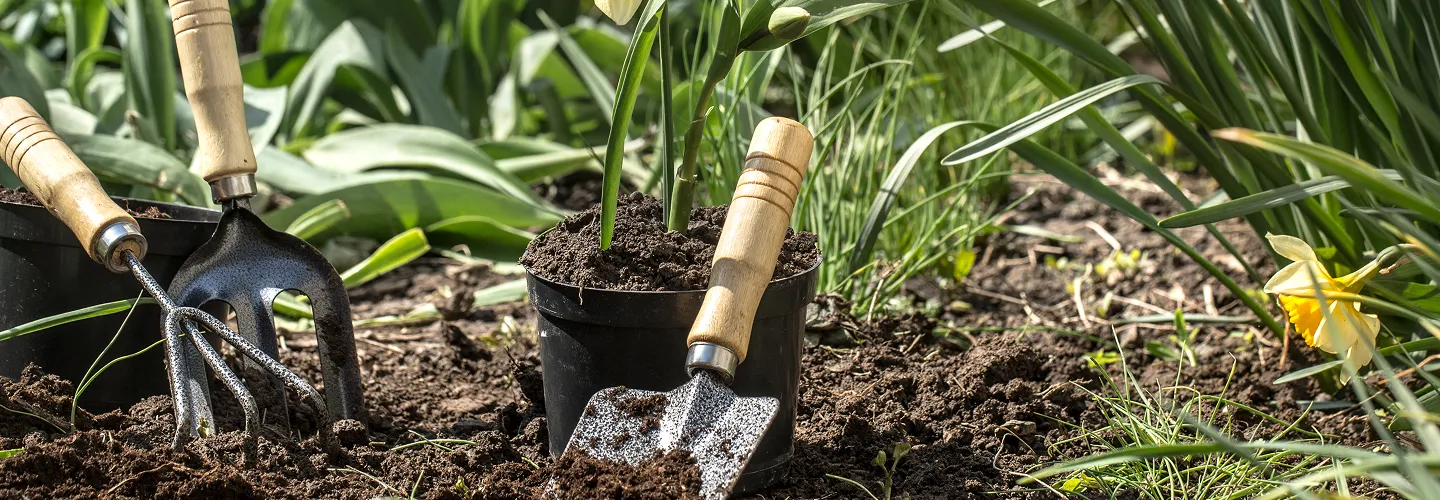
Arlington Heights Fertilizing Lawn Services
Choose our fertilizing lawn services for expert care that delivers lush, healthy grass all season long—because your home deserves a vibrant, green landscape you can be proud of.
Get a Free QuoteOur Arlington Heights Landscaping & Yard Care Services
When to Schedule Fertilizing Lawn in Arlington Heights, IL – Seasonal Guide
Fertilizing your lawn in Arlington Heights, IL, requires careful timing to ensure lush, healthy grass throughout the growing season. The best periods for fertilization are typically early spring—after the last frost but before rapid growth begins—and again in early fall, when cooler temperatures and increased moisture help nutrients absorb efficiently. Arlington Heights’s climate, with its cold winters and humid summers, means lawns in neighborhoods like Scarsdale, Stonegate, and near Recreation Park benefit most from a split fertilization schedule that supports both root development and top growth.
Local environmental factors play a significant role in determining the optimal fertilizing window. For example, the area’s clay-heavy soils retain moisture but can compact easily, affecting nutrient uptake. Shaded lots near Centennial Park may require different timing than sun-drenched lawns in the Ivy Hill area. Additionally, late spring and summer drought risks, as well as municipal watering restrictions, can impact how and when you fertilize. For more information on local guidelines and seasonal updates, visit the Village of Arlington Heights Official Website.
Local Factors to Consider for Fertilizing Lawn in Arlington Heights
- Proximity to large trees or dense shade (affects nutrient needs and timing)
- Soil composition (clay, loam, or sandy soils influence fertilizer choice and schedule)
- Typical precipitation patterns and drought risk
- Frost dates (usually late April for last spring frost, mid-October for first fall frost)
- Slope and drainage (hilly areas may require different application methods)
- Municipal restrictions on fertilizer or watering
- Recent landscaping or construction activity
- Proximity to parks, schools, or public spaces with unique maintenance schedules
Benefits of Fertilizing Lawn in Arlington Heights

Healthier, Greener Lawns
Improved Weed Resistance
Enhanced Curb Appeal
Stronger Root Development
Customized Fertilization Plans
Expert Local Landscaping Team
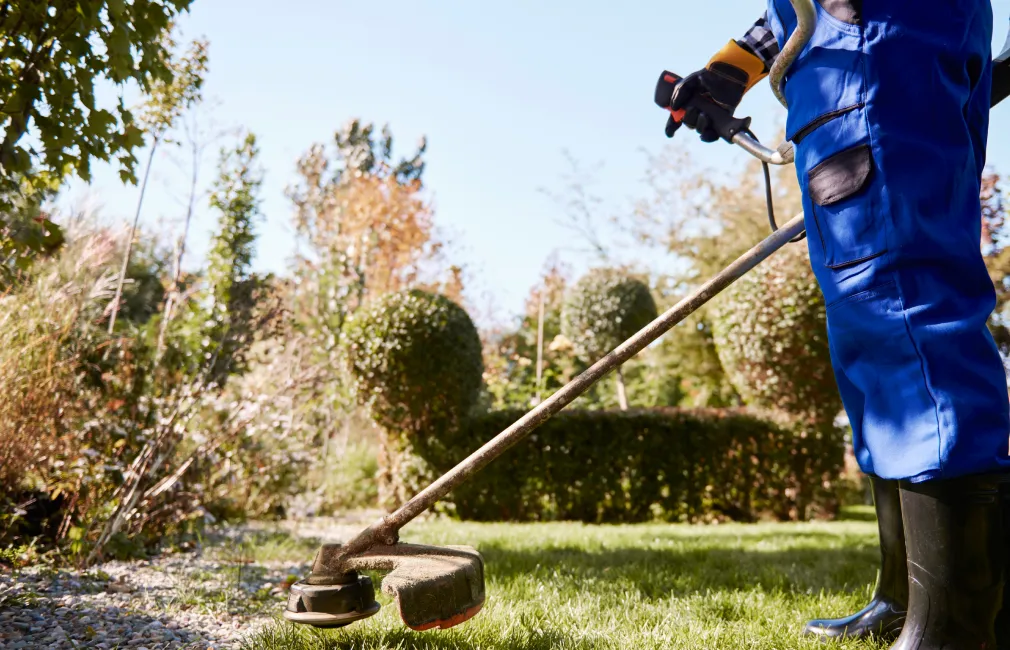
Arlington Heights Fertilizing Lawn Types

Cool-Season Grass Fertilization
-
Warm-Season Grass Fertilization
-
Organic Lawn Fertilization
-
Synthetic Fertilizer Application
-
Slow-Release Fertilizer Programs
-
Seasonal Fertilizer Scheduling
-
Customized Soil Amendment
Our Fertilizing Lawn Process
Soil Analysis
Fertilizer Selection
Application Scheduling
Even Fertilizer Distribution
Post-Application Inspection
Why Choose Arlington Heights Landscape Services
-
Arlington Heights Homeowners Trust Us
-
Expert Lawn Maintenance
-
Reliable Seasonal Cleanup
-
Competitive Pricing
-
Professional Team
-
Satisfaction Guarantee
-
Personalized Service
Contact Arlington Heights’s Department of Public Works for Fertilizer Container Disposal & Municipal Composting Programs
Proper fertilizer container disposal in Arlington Heights is managed through household hazardous waste collection events, typically held 2-4 times annually. Residents must triple-rinse liquid fertilizer containers before bringing them to these events, ensuring all residue is removed. Plastic fertilizer bags may be accepted through municipal recycling programs—always check local guidelines, as acceptance varies. Organic fertilizer packaging, such as biodegradable paper bags, should be placed with yard waste (April-November). For bulk materials, coordinate with the yard waste drop-off site or Transfer Station, noting operating hours, permit/sticker requirements, and any fees for commercial contractors. Finished compost (1-1-1 to 2-2-2 N-P-K) is available through municipal programs, supporting sustainable nutrient management and improving heavy clay soil structure. In the event of a fertilizer spill, immediately contain the material with absorbents (sand, cat litter), notify emergency services for major spills, and contact the Department of Public Works for cleanup coordination to prevent storm drain contamination affecting the Lake Michigan watershed. Never dispose of fertilizer in household trash, storm drains, or on streets. Store all products in a dry, secure location, away from children, pets, and ignition sources, in original containers with labels intact.
Arlington Heights Department of Public Works
33 S. Arlington Heights Rd., Arlington Heights, IL 60005
Phone: (847) 368-5800
Official Website: Arlington Heights Public Works Services
Professional Soil Testing & Nutrient Assessment Requirements for Arlington Heights’s Heavy Clay Soils
Soil testing is mandatory in Arlington Heights and should be conducted through the University of Illinois Extension or a certified laboratory. Tests must include pH (typically alkaline 7.0-8.5 in local Drummer silty clay loam soils), nitrogen (N), phosphorus (P), potassium (K), organic matter (target 3-5%), and micronutrients (iron deficiency is common, causing chlorosis). The USDA Web Soil Survey confirms heavy clay conditions, which retain nutrients but often require sulfur amendments to lower pH to the optimal 6.0-7.0 range. Develop a written nutrient management plan based on test results, considering site-specific factors such as shade (reduce N by 25-30% in mature tree areas), traffic (increase K for wear tolerance), and compaction (core aeration may be necessary).
Illinois Fertilizer Regulations & Professional Licensing Requirements for Arlington Heights
The Illinois Fertilizer Act (505 ILCS 80) governs fertilizer use, with many Chicago suburbs—including Arlington Heights—enforcing local phosphorus restrictions. Phosphorus is banned in lawn fertilizers except for new lawns or when a soil test documents deficiency below 30 ppm. Nitrogen applications should not exceed 0.9-1.0 lbs N per 1,000 sq ft per application. Commercial applicators must be licensed through the Illinois Department of Agriculture - Pesticide Regulations if combining fertilizer with weed control. Maintain a minimum of $1 million in liability coverage and keep detailed application records for compliance and warranty purposes.
Arlington Heights Environmental Commission Requirements for Fertilizer Application Near Wetlands & Protected Areas
Coordination with the Environmental Commission or Sustainability Board is required for fertilizer applications near wetlands, streams, or protected areas. Maintain buffer zones of 10-25 feet (no-fertilizer strips) adjacent to water bodies to protect the Lake Michigan watershed from nutrient runoff. Organic-only fertilizers may be required near forest preserve lands, such as those managed by the Cook County Forest Preserve District. Habitat protection includes timing applications to avoid peak flowering periods (May-September) to safeguard pollinators and beneficial insects. Always follow local permit or notification procedures for sensitive sites.
Arlington Heights Environmental Commission
33 S. Arlington Heights Rd., Arlington Heights, IL 60005
Phone: (847) 368-5000
Official Website: Arlington Heights Boards & Commissions
Seasonal Fertilization Calendar & Weather Timing for Arlington Heights’s Climate Zone 5a-6a
Arlington Heights’s climate (Zone 5a-6a) requires careful timing for fertilizer applications. Early spring (April-May) is suitable for a light application of 0.5-0.7 lbs N per 1,000 sq ft when soil temperatures reach 50-55°F. The primary fall application (September, around Labor Day) is most important, with 0.9-1.0 lbs N per 1,000 sq ft to promote root development. Late fall (October-November) calls for 0.7-0.9 lbs N before ground freeze. Always coordinate with National Weather Service Chicago forecasts, ensuring a 24-48 hour rain-free period after application and avoiding fertilization when clay soils are saturated or during summer heat stress (July-August).
Water Quality Protection & Stormwater Management for Lake Michigan Watershed in Compliance with Arlington Heights’s MS4 Program
Arlington Heights’s MS4 permit under the Clean Water Act mandates best management practices (BMPs) to prevent nutrient runoff into storm drains and local streams flowing to Lake Michigan. Key protocols include immediate sweeping of fertilizer from impervious surfaces, maintaining 10-25 foot buffer strips from water bodies and storm drains, and calibrating equipment for uniform application. Soil-test-based fertilization reduces unnecessary nutrient loading, supporting long-term water quality. Compliance documentation includes application records, weather monitoring, and annual calibration logs. Coordinate with the Illinois EPA Water Quality & Watershed Management for regional watershed protection.
Arlington Heights Water Distribution Services
33 S. Arlington Heights Rd., Arlington Heights, IL 60005
Phone: (847) 368-5800
Official Website: Arlington Heights Water Distribution Services
Professional Application Standards, Equipment Calibration & Safety Protocols
Professional fertilizer application in Arlington Heights requires specialized training and certification, especially for commercial operators. Equipment must be calibrated annually using the catch pan method to ensure uniform distribution and correct rates. Application techniques include overlapping passes for rotary spreaders and edge guards near non-target areas. Safety protocols mandate personal protective equipment (PPE) such as safety glasses, dust masks, and chemical-resistant gloves. Quality control includes pre-application soil test verification, equipment checks, and post-application monitoring for effectiveness and environmental compliance. Ongoing education in sustainable practices and regulatory updates is essential for all applicators.
Integrated Nutrient Management & Organic Fertilizer Options for Heavy Clay Soils
A comprehensive nutrient management approach prioritizes cultural practices: maintain mowing heights of 3-4 inches, practice grasscycling (returning clippings for 25% of annual N needs), and perform core aeration annually to improve clay soil structure. Sustainable fertilizer options for alkaline clay soils include acidifying fertilizers (ammonium sulfate, sulfur-coated urea), organic products (compost, feather meal, alfalfa meal), and iron supplementation for chlorosis. Reduced-input strategies focus on optimizing soil pH with sulfur, increasing organic matter through compost topdressing, and enhancing soil biology with mycorrhizal fungi and compost tea applications.
Arlington Heights Community Development Guidelines for Fertilizer Application & Public Safety Protection
The Community Development Department oversees public notification and re-entry requirements for fertilizer applications, typically 24-48 hours. Safety protocols protect children, pets, and sensitive individuals by scheduling applications mid-week and avoiding high-use periods. Proper storage is required: locked, dry, ventilated areas in original containers. Equipment must be decontaminated between properties, and spill response protocols must be in place. Community education is integrated through workshops and partnerships with the University of Illinois Extension to promote sustainable lawn care and water conservation.
Arlington Heights Planning & Community Development Department
33 S. Arlington Heights Rd., Arlington Heights, IL 60005
Phone: (847) 368-5200
Official Website: Arlington Heights Planning & Community Development Department
What Neighborhoods Do We Serve Throughout Arlington Heights, IL?
Arlington Heights features diverse neighborhoods, each with unique fertilization challenges. In the Scarsdale area, mature landscapes and Drummer silty clay loam soils (alkaline pH 7.0-8.5, poor drainage) require aggressive aeration and reduced nitrogen rates due to shade. Northgate and Ivy Hill, with proximity to wetlands and Lake Arlington, demand strict buffer zones and phosphorus restrictions. Stonegate and Pioneer Park, near forest preserves, benefit from organic-only applications and pollinator protection. Downtown and Arlington Crossing, with denser development, face compaction and microclimate effects, requiring tailored nutrient plans. Newer subdivisions (post-2000) often have disturbed clay subsoils needing intensive soil improvement and establishment fertilization. Across all areas, Kentucky bluegrass dominates, requiring 3-4 lbs N per 1,000 sq ft annually, with fine fescue in shaded zones and tall fescue in renovations. Community standards, HOA requirements, irrigation prevalence, and tree competition further influence management strategies.
Arlington Heights Municipal Ordinances for Fertilizer Application Equipment Operation & Commercial Service Standards
Municipal ordinances regulate fertilizer application equipment operation hours (typically 7 AM-9 PM weekdays, 8 AM-9 PM Saturdays; verify Sunday restrictions). Commercial applicators must maintain business licensing, a minimum $1 million liability insurance, environmental impairment coverage, and workers’ compensation. Safety protocols include PPE, emergency procedures, and spill response plans. Environmental compliance is coordinated with local ordinances, including buffer zones, phosphorus restrictions, and MS4 stormwater requirements. All operations must adhere to the Arlington Heights Municipal Code and relevant state and federal regulations, ensuring public safety and environmental protection.